

Pet-Friendly Plants for Boise Gardens: Beautiful Choices for Homes with Dogs and Cats
For many of us, pets aren't just animals—they're part of the family. And if you're a gardener, your plants are important, too. That can create an important question for Boise-area homeowners:
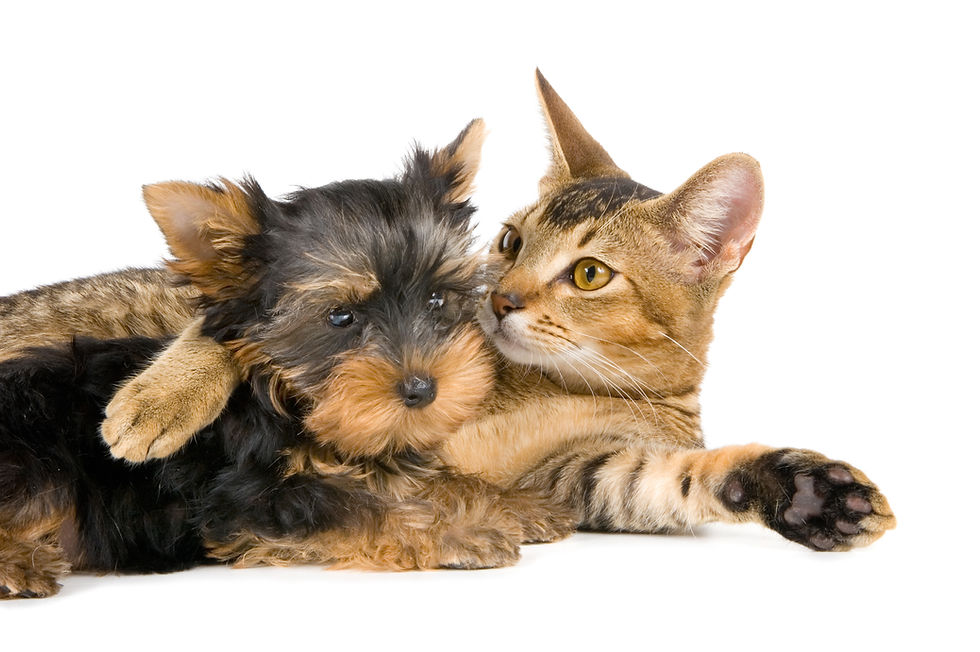
Which plants can I safely grow when I have a curious dog or cat?
Fortunately, there are many beautiful plants that can work well in a pet-friendly landscape or home. The key is knowing which plants are considered non-toxic to pets and understanding that even non-toxic plants can sometimes cause stomach upset if eaten in large quantities.
At The Home & Garden Store in Boise, we're frequently asked about plants that are appropriate for homes with pets. Here's a guide to help you make better choices for your landscape and indoor garden.
First, What Does "Pet-Friendly" Really Mean?
When we call a plant "pet-friendly," we're generally referring to plants that are considered non-toxic to dogs and cats.
That doesn't mean your pet should eat the plant.
The ASPCA points out that consuming plant material can cause vomiting or gastrointestinal upset even when a plant is classified as non-toxic.
So if you have a puppy that chews everything in sight or a cat that considers every houseplant or garden a salad bar, it's still a good idea to keep plants out of contact whenever possible.
Beautiful Pet-Friendly Choices for the Garden
Fortunately, pet owners don't have to settle for a boring landscape. There are many colorful flowering plants and attractive landscape plants that are considered non-toxic to dogs and cats.
Roses
Roses are a wonderful choice for a pet-friendly landscape. The ASPCA lists Rosa species as non-toxic to dogs and cats.
Roses can provide color, fragrance and long-lasting interest in the landscape. Of course, the thorns are another matter—so plant roses where pets aren't likely to run directly through them.
Coral Bells
Coral bells (Heuchera) are another excellent choice. Their attractive foliage and delicate flower stalks make them useful in borders, beds and partially shaded areas.
The ASPCA lists coral bells as non-toxic to dogs and cats.
And for Treasure Valley gardeners, their foliage can provide interest even when the plants aren't blooming.
Zinnias
If you want plenty of summer color, zinnias are worth considering. They come in a wide range of colors and are excellent for adding cheerful color to flower beds and containers.
The ASPCA lists zinnia species as non-toxic to dogs and cats.
Snapdragons
Snapdragons are another colorful option for the garden. Their tall flower spikes provide vertical interest and work especially well in beds and containers.
The ASPCA lists garden snapdragons as non-toxic to dogs and cats.
Sunflowers
Few flowers make a garden feel more cheerful than sunflowers. They're also included among the non-toxic flowering plants identified by the ASPCA.
Their height makes them particularly useful toward the back of flower beds.
Other Flowering Choices
According to the ASPCA, other non-toxic flowering plants include Gerber daisies, asters, orchids, statice and freesia.
As always, check the exact plant name before purchasing because common names can sometimes refer to completely different plants.
Pet-Friendly Houseplants
Pet owners should be especially careful with houseplants because curious cats and dogs have much easier access to them.
Some good choices include:
Spider plant
Boston fern
Calathea
African violet
Areca palm
Parlor palm
Peperomia
Prayer plant (Maranta)
Ponytail palm
Christmas cactus
Haworthia
The ASPCA specifically lists spider plants as non-toxic to both dogs and cats, and its plant database also lists calathea as non-toxic to both.
These plants can give pet owners plenty of choices for adding greenery indoors without automatically putting a potentially dangerous plant within reach of their pets.
A Few Plants Pet Owners Should Think Twice About
Knowing what not to plant can be just as important.
Some plants can cause serious illness if eaten, and a few are particularly important for pet owners to recognize.
Lilies
This is one of the most important warnings for cat owners.
True lilies (Lilium) and daylilies (Hemerocallis) can be extremely dangerous to cats. Even small exposures can result in severe kidney damage and potentially death.
If you have cats, don't bring lilies into your home or garden where they can reach them.
Sago Palm
Sago palms are another plant pet owners should avoid. They can cause severe illness in dogs and cats, including liver damage and potentially life-threatening complications.
Tulips
Tulips and particularly their bulbs can be toxic to dogs and cats if eaten.
Oleander
Oleander is another plant that can cause serious problems if ingested, including potentially dangerous effects on the heart.
Autumn Crocus
Autumn crocus should also be avoided around pets. It can cause severe gastrointestinal and systemic problems and can be life-threatening.
Don't Forget About Fertilizers and Garden Products
Plants aren't the only thing to think about when creating a pet-friendly garden.
Fertilizers, pesticides, herbicides, slug and snail products, and other garden chemicals can also be dangerous if pets get into them.
Store garden products securely and follow the product label carefully.
It's also a good idea to keep pets away from recently treated areas until the product label says it is safe for people and animals to return.
What About Your Pet's Personality?
This may be the most important consideration of all.
A mature dog that ignores your flower beds presents a very different situation from a young puppy that digs, chews and explores everything.
Likewise, some cats will completely ignore houseplants while others seem determined to investigate every leaf.
If your pet is an enthusiastic plant chewer, consider:
Keeping houseplants elevated or behind barriers
Using hanging baskets
Creating designated areas where your dog can explore
Avoiding plants with thorns or irritating sap
Supervising young pets around new landscaping
Choosing plants that are confirmed non-toxic to your particular pet
A Pet-Friendly Garden Can Still Be a Beautiful Garden
Having dogs or cats doesn't mean you have to give up beautiful landscaping.
With a little planning, you can enjoy roses, coral bells, zinnias, snapdragons, sunflowers and many other attractive plants while making thoughtful choices for your four-legged family members.
And remember, plant toxicity can vary by species and even by plant part, so it's always a good idea to verify a plant before bringing it home—especially if your pet is known to chew on plants.
At The Home & Garden Store, we're happy to help you choose plants that fit your landscape, growing conditions and gardening goals. If you have pets, let us know when you're shopping. We're glad to help you find beautiful choices that are appropriate for a pet-friendly home.
A Final Word for Pet Owners
If you believe your pet has eaten a potentially poisonous plant, don't wait for symptoms to appear. Contact your veterinarian or the ASPCA Animal Poison Control Center at (888) 426-4435.
The Home & Garden StoreHome Decor • Garden Center • Nursery
Boise, Idaho


Comments