

Winter Bird Feeding In The Treasure Valley: A Little Help Goes a Long Way
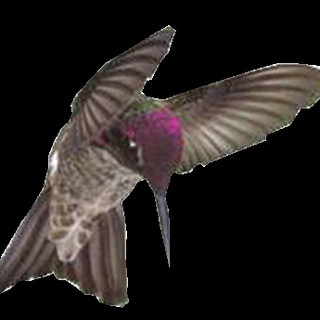
As the temperatures begin to drop and winter settles into the Treasure Valley, our gardens take on a different kind of beauty. While many of our favorite plants are resting for the season, our feathered friends remain active, searching for food, water, and shelter.
Winter can be a challenging time for birds. Shorter days mean fewer hours to find food, and cold temperatures require birds to consume additional energy just to maintain their body heat. Fortunately, providing a little assistance in our backyards can make a meaningful difference.
Whether you're an experienced backyard bird enthusiast or just getting started, here are some helpful tips for keeping your bird feeders working effectively throughout the winter.
1. Choose the Right Bird Food
Not all bird foods are created equal, particularly during the winter months. Birds need high-energy foods to help them survive cold temperatures.
Some excellent winter choices include:
Black Oil Sunflower Seeds: These are among the most popular and versatile bird foods. Their thin shells make them easier for many birds to open, and their high oil content provides valuable energy. Expect to attract chickadees, finches, nuthatches, and other familiar backyard visitors.
Nyjer Seed: Often called thistle seed, nyjer is especially attractive to finches, including American goldfinches and pine siskins. A specialized finch feeder helps reduce waste.
Suet: Suet is an excellent source of concentrated energy during cold weather. Woodpeckers, nuthatches, chickadees, and other insect-eating birds often appreciate this high-energy food.
Peanuts: Unsalted peanuts provide protein and fat and can attract woodpeckers, jays, and other birds. Offer them in an appropriate feeder or in a way that prevents large pieces from becoming a choking hazard for smaller birds.
Avoid offering salty foods, seasoned scraps, or moldy seed. These can be harmful to birds.
2. Keep Your Feeders Clean
One of the most important things you can do for backyard birds is to keep your feeders clean.
Bird feeders can become contaminated with droppings, moisture, and spoiled food. These conditions can contribute to the spread of disease among visiting birds.
A good winter cleaning routine includes:
Clean feeders regularly, approximately every two weeks, and more often when they become wet or visibly dirty.
Remove old, wet, or moldy seed.
Allow feeders to dry completely before refilling.
Clean the ground beneath feeders to remove accumulated seed hulls and droppings.
If you notice sick birds visiting your feeders, consider temporarily taking the feeders down and cleaning them thoroughly. This can help reduce the risk of spreading disease.
A clean feeder is a healthier feeder!
3. Protect Birdseed from Snow and Moisture
Here in the Boise area, winter weather can bring snow, freezing rain, and fluctuating temperatures.
Moisture is one of the biggest problems with winter bird feeding. Wet seed can quickly become moldy, clump together, and become less appealing to birds.
Consider these helpful tips:
Use feeders with roofs or protective covers.
Place feeders in locations where they receive some protection from prevailing winds.
Avoid filling feeders with more seed than birds can consume in a few days.
Check feeders after snowstorms and remove any wet or frozen food.
Tube feeders, hopper feeders, and covered platform feeders can all work well when properly maintained.
4. Provide Water During the Winter
Food isn't the only thing birds need during winter. Fresh water is equally important.
Natural water sources may freeze, leaving birds with fewer opportunities to drink and bathe.
A shallow birdbath can provide a valuable water source. During freezing weather, a thermostatically controlled birdbath heater can help keep water available.
A few important considerations:
Keep the water shallow, ideally around 1–2 inches deep.
Place the birdbath where birds have a clear view of their surroundings.
Change the water regularly.
Clean the birdbath frequently.
Avoid adding salt, antifreeze, or other chemicals to prevent freezing.
If you don't have a heated birdbath, simply providing fresh water whenever temperatures allow can still be helpful.

5. Place Feeders in the Right Location
Where you place your bird feeders can make a difference in how frequently birds visit.
Birds need to feel safe while feeding. They also need nearby places to escape from predators.
Consider these placement tips:
Near Protective Cover: Place feeders near trees or shrubs that provide shelter from wind and predators. However, avoid placing feeders so close to dense cover that cats can easily ambush birds.
Away from Windows: Window collisions are a serious hazard for birds. Place feeders either very close to windows (within about 3 feet) or farther away (more than 30 feet), where possible. Glass treatments designed to make windows visible to birds can also help.
Convenient for You: Remember that you'll need to refill and clean feeders throughout the winter. Choose a location that remains accessible even when snow accumulates.
6. Don't Forget About Natural Food Sources
Bird feeders are wonderful, but a bird-friendly landscape offers even more benefits.
Many birds rely on natural food sources, including seeds, berries, and insects. A landscape that provides these resources can attract a wider variety of birds throughout the year.
Consider incorporating plants that provide winter food and shelter.
Some excellent choices for the Treasure Valley include:
Serviceberry: Produces berries that attract birds during the growing season.
Chokecherry: Provides fruit that many birds enjoy.
Crabapple: Persistent fruit can provide a valuable food source into winter.
Native and adapted grasses: Seed heads provide food and ornamental interest.
Evergreen trees and shrubs: Offer valuable shelter from wind and cold.
Leaving some seed heads and dried plant material standing through winter can also benefit birds while adding interest to your landscape. The Home & Garden Store/Aloha Home and Garden has several of the items mentioned above available at our Retail Store.
7. Be Patient—Your Birds Will Find You!
If you're new to winter bird feeding, don't be discouraged if your feeders aren't immediately busy.
Birds may take several days or even weeks to discover a new feeding station. Once they find it, word seems to spread!
You may begin seeing chickadees, finches, nuthatches, woodpeckers, and other familiar visitors throughout the winter.
Keep your feeders filled, maintain a clean feeding area, and enjoy the activity.
Winter bird feeding is a wonderful way to stay connected to nature, even when our gardens are resting.
Enjoy Winter Bird Watching in the Treasure Valley
Winter doesn't have to mean an empty garden. With a little planning, your backyard can become a welcoming destination for birds throughout the colder months.
Providing nutritious food, clean water, and protective shelter is a rewarding way to support local wildlife while enjoying the beauty and activity of birds right outside your window.
At The Home & Garden Store/Aloha Home and Garden, we believe gardening is about more than growing beautiful plants. It's about creating outdoor spaces that bring us closer to nature in every season.
We hope these winter bird feeder tips help you enjoy a lively, bird-friendly backyard this winter!
"Your local source for home, garden and outdoor living in the Treasure Valley"


Comments